
Ergonomic Mobility Platform Design Based on National Human Dimension Standards
Designing a professional mobility platform is not about appearance alone.
At SCIFTO, every key dimension, adjustment range, and structural decision is grounded in engineering validation, human ergonomics, and regulatory adaptability.
This article explains how SCIFTO defines core vehicle dimensions based on 95% population coverage, ensures system stability under extreme conditions, and enables country-specific customization for global deployment.
In mobility platform engineering, “95% user coverage” refers to designing key dimensions and adjustment ranges that safely and comfortably accommodate the majority of adult users, based on validated human dimension data rather than assumptions.
Instead of designing for average values or extreme cases, this approach balances usability, safety margins, and manufacturability, making it particularly relevant for B2B mobility solutions, public infrastructure, and institutional deployment.
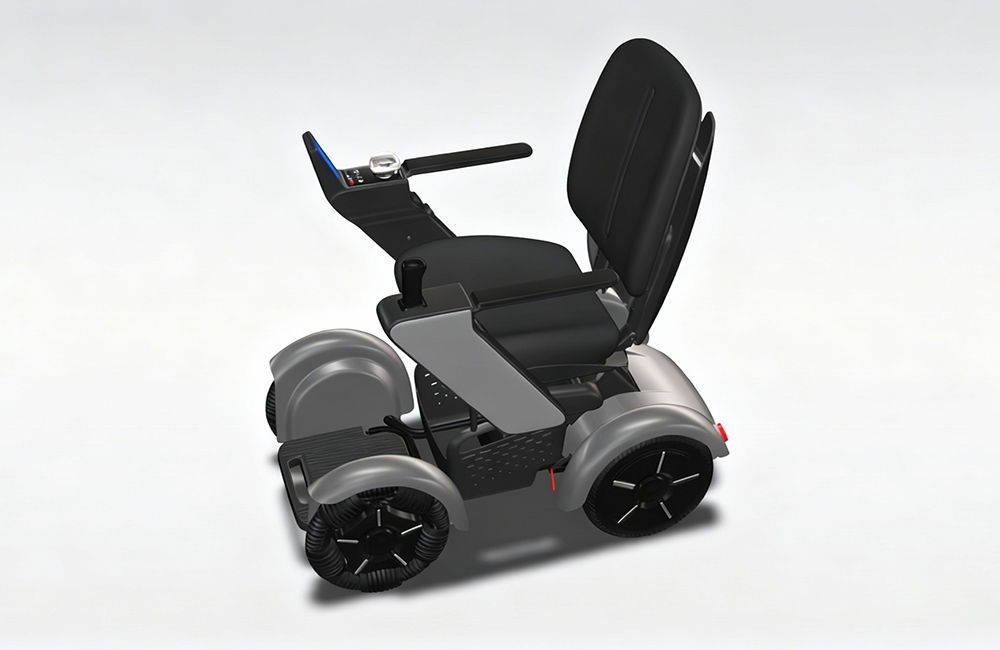
Ergonomic Foundations Based on National Standards and Human Curves
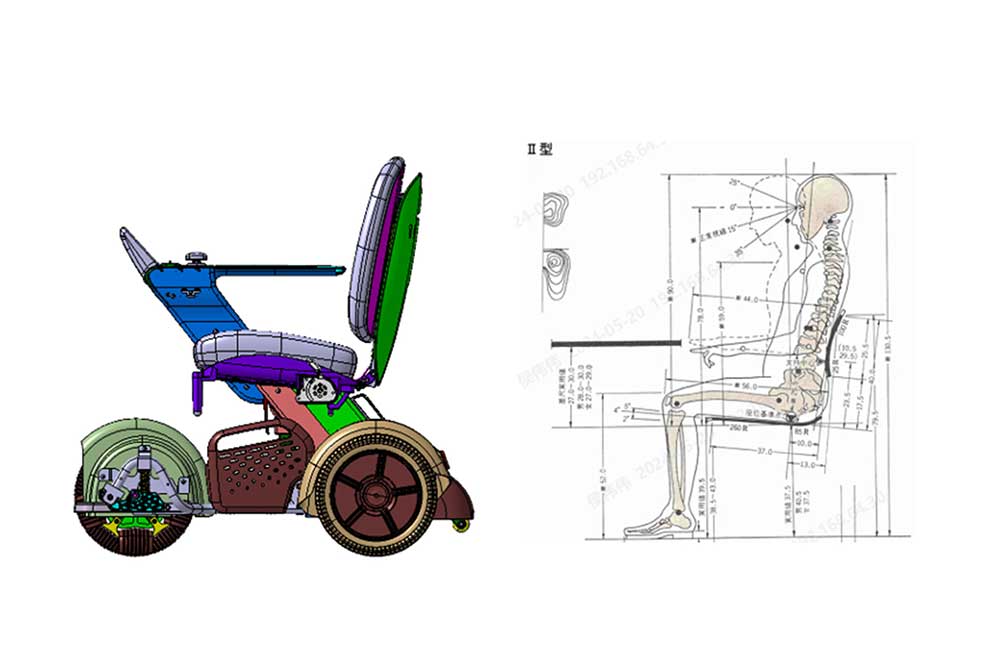
SCIFTO’s core dimensional framework is derived from GB/T 10000-1988 Human Dimensions of Chinese Adults, combined with the Akerblom seating posture curve, targeting 95% of adult users.
Based on these validated datasets, we defined:
- Seat height (adjustable): 370–440 mm
- Armrest-to-seat height: 210 mm
- Footplate height: 135 mm, while maintaining required ground clearance
These dimensions are not fixed design assumptions. They serve as engineering reference baselines, ensuring comfort, accessibility, and biomechanical alignment for the majority of users.
Importantly, SCIFTO’s engineering team customizes these parameters according to local regulations, regional standards, and client-specific requirements.
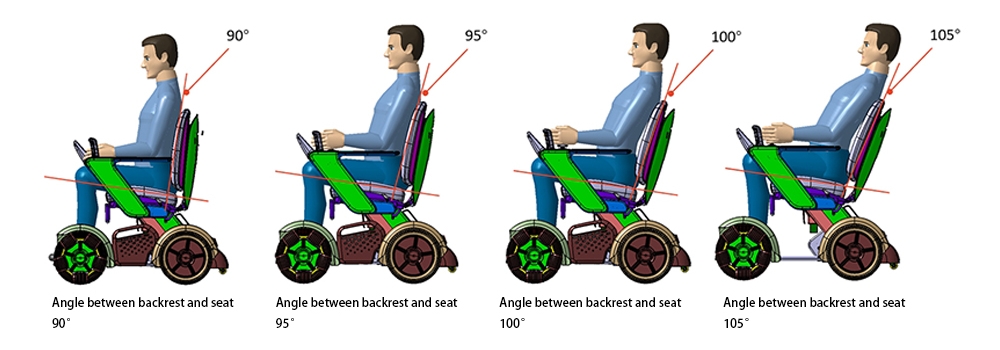
Adjustable Seating Requires System-Level Stability Engineering
Providing adjustable seating angles is not a cosmetic feature — it is a system stability challenge.
To enable backrest angles of 90°, 95°, 100°, and 105°, SCIFTO engineers conducted center-of-gravity (CoG) calculations across all critical operating states.
Key safety criteria include:
- The vehicle’s maximum climbing capability exceeds the required slope by 15°
- Under full load and maximum seat elevation, the vehicle remains stable without rear tipping
- The center of gravity remains within the safe stability envelope during angle adjustments
This ensures that comfort adjustments never compromise operational safety.
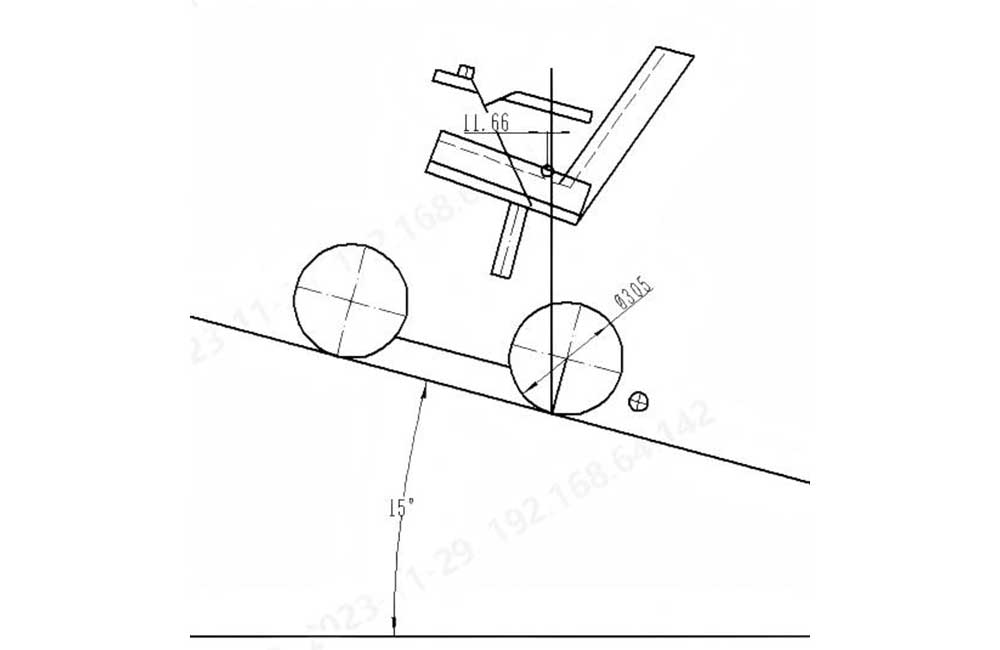
Mobility Platform Stability Validation Under Extreme Operating Conditions
Through graphical analysis and CoG validation, SCIFTO verified that:
- With the backrest at 105°
- The seat at its highest position
- And under full load
The vehicle can safely climb a 15° slope without instability.
This validation confirms that the entire 90°–105° backrest adjustment range is safe for real-world use, including ramps, inclined public infrastructure, and indoor transitions.
Customization as an Engineering Capability, Not an Afterthought
All ergonomic dimensions described above are reference values, not rigid constraints.
SCIFTO’s platform is designed for:
- Country-specific regulatory compliance
- Client-driven ergonomic customization
- Application-based adjustments for healthcare, public mobility, and institutional use
This approach allows SCIFTO to support global deployment while maintaining consistent safety and comfort standards.
For institutional buyers, distributors, and public mobility operators, ergonomic and stability validation is not a theoretical exercise — it directly impacts regulatory approval, operational safety, and long-term service risk.
Mobility platforms engineered with validated center-of-gravity control, standardized human-dimension references, and documented safety margins help reduce deployment uncertainty, training complexity, and after-sales issues across different regions and use cases.
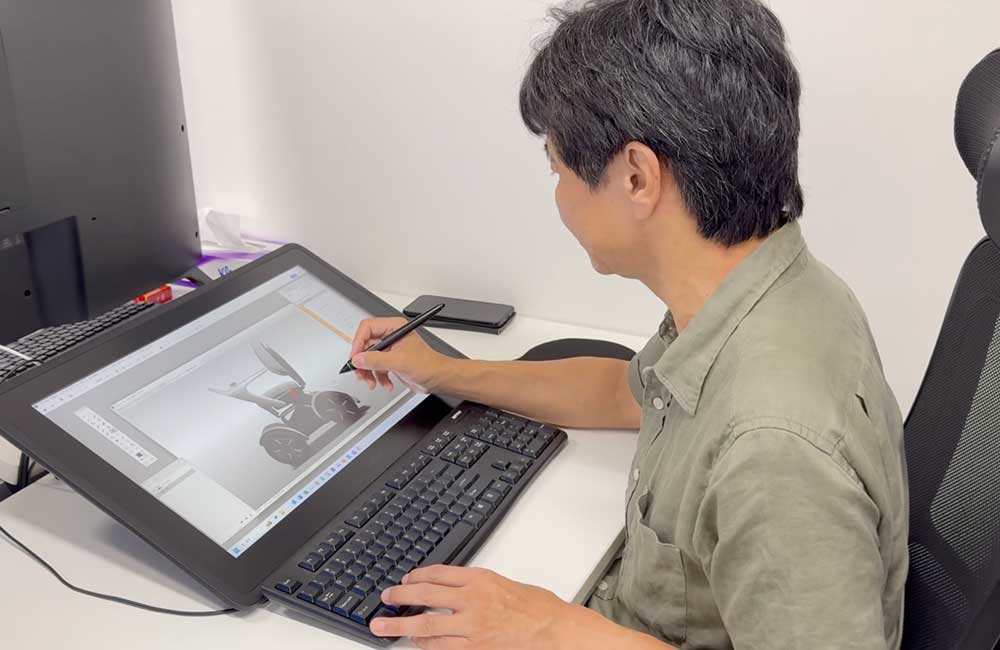
Engineering Validation as the Foundation of Scalable Global Deployment
At SCIFTO, engineering decisions are validated before production — not corrected after deployment.
By integrating human dimension standards, system-level stability analysis, and customizable architecture, we deliver mobility platforms designed for real users, real environments, and real regulations.